"It didn't treat me, but it offered me the chance to get the rest I needed to heal, and I had the ability to work at a mainevocals.net/ much higher level than with the painkillers, which made me get up foggy every day," he stated. "With cannabis, I can consume it during the night and wake up with a clear head."Cannabis is an especially reliable treatment for individuals who need help with discomfort management, along with those with sleep conditions or anxiety; nevertheless, "there are hundreds of conditions that it treats," Rinella stated.
Medical decisions need to not be made based upon advertising. Consult a doctor on the advantages and threats of particular medical marijuana items.
The results of an online study, making up 95 individuals, included in the Journal of Alternative and Complementary Medicine in 2014. The researchers discovered that participants chosen indica stress for pain management, sedation, and sleep while they would go with sativa strains to improve energy and mood. Relating to pain management, participants reported a statistically substantial impact when using indica for: It is, nevertheless, crucial to keep in mind that this research study had a number of restrictions.
Respondents did not use the cannabis in a regulated setting, potentially leading to differences in drug structure, dosage, and effectiveness. Another research study analyzed making use of organically grown sativa and indica stress in the treatment of a number of medical conditions. Simply over half of the participants were using cannabis to treat HIV.
The results showed that indica stress are more likely to improve energy and appetite, while both sativa and indica pressures can minimize nausea to a comparable degree. Cannabis contains compounds that may eliminate discomfort, nausea, and other symptoms. The components of cannabis that most research studies concentrate on for pain relief are cannabidiol (CBD) and tetrahydrocannabinol (THC).
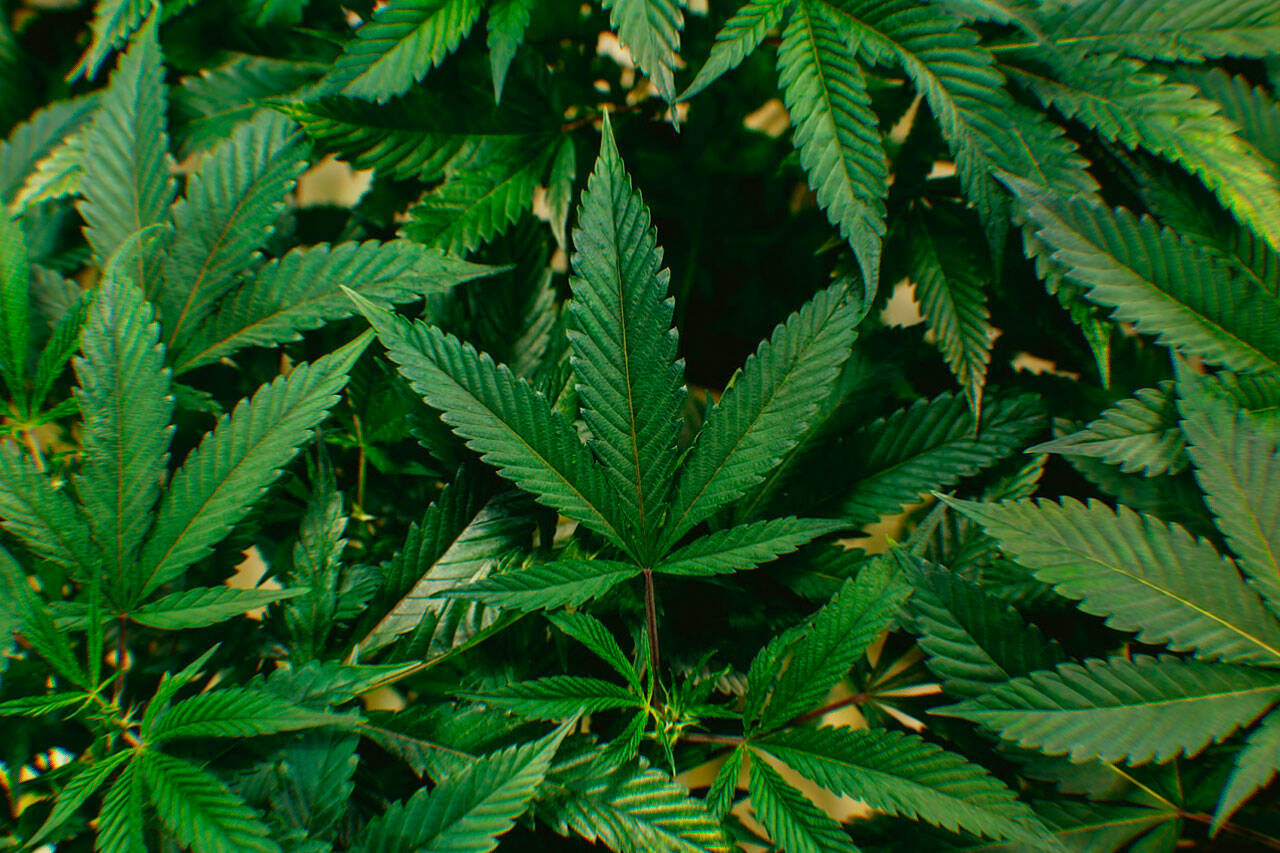
CBDTHC looks like the cannabinoid chemicals that occur naturally in the body. When people ingest or inhale THC, it the brain's cannabinoid receptors. This activates the brain's reward system and reduces discomfort levels. THC is a psychedelic compound as it binds to cannabinoid receptors and produces an elevated frame of mind, called a high.